Skills & craft / Free habit set
The Patent-Office Desk
Think cleanly outside the ivory tower — Patent-Office style
- 8 Foundation
- 6 Growth
- 4 Mastery
- 2 Challenge
20 cards · Free to print or save as PDF · Study notes: Albert Einstein ↗

01 / A place to start
Choose what you’ll
return to.
You have a day job or busy routine, drown in status anxiety, and try to force creative breakthroughs while staring frozen at a screen.
- Starting point
- Prestige chasing, screen-locked burnout, and echo-chamber reading
- Work towards
- Clear day boundaries, quiet walks, peer sparring, and crisp simplicity
Your recurring practice
Separate practical day duties cleanly from curiosity hours, take one un-piped daily walk, and test tough ideas aloud with a trusted sounding board.
Comfortable walking shoes, one small paper notebook, and one honest friend willing to listen to rough unfinished ideas.Your cornerstone card
Tap to read the full practice · Choose for your situation
Your starting hand
Keep this practice in play.
One cornerstone carries the load. Everything else on this page exists to make those repetitions easier, better or put to use.
Comfortable walking shoes, one small paper notebook, and one honest friend willing to listen to rough unfinished ideas.
Day one
Your first session
- 01
Finish today’s routine bread-and-butter duties cleanly without guilt — leave evening mind space unmortgaged (AE-F01).
- 02
Go for a 20-minute screen-free, headphone-free walk holding one clear puzzle lightly (AE-F02).
- 03
Before turning to jargon or tools, describe your problem using concrete physical objects or everyday pictures (AE-F03).
- 04
Jot down your sharpest question on one small card before bed.
After that
The loop you return to.
No streak to protect. Do the usual practice when its moment comes, keep it alive on a hard day, and let each one improve the next.
- Your usual practice
Separate practical day duties cleanly from curiosity hours, take one un-piped daily walk, and test tough ideas aloud with a trusted sounding board.
- On a difficult day
Step outdoors for a 10-minute silent walk without podcasts, notice one clear question, and rest easily.
- Make the next one better
Review each week whether reading outside your niche sparked fresh framing or if busywork crowded out slow synthesis.
See what adds up
Small reps, counted honestly.
Log quiet thinking hours protected, device-free walks taken, and genuine peer sparring sessions held.
- Break Through a Conceptual Wall
- Protect Side-Craft Outside Day Work
Growth and feedback
Add support when it helps.
Not a checklist. Add one when you can name the problem it solves in your practice.
- Foundation10 min
Picture scenarios before formulas
Whenjargon clouds the problem
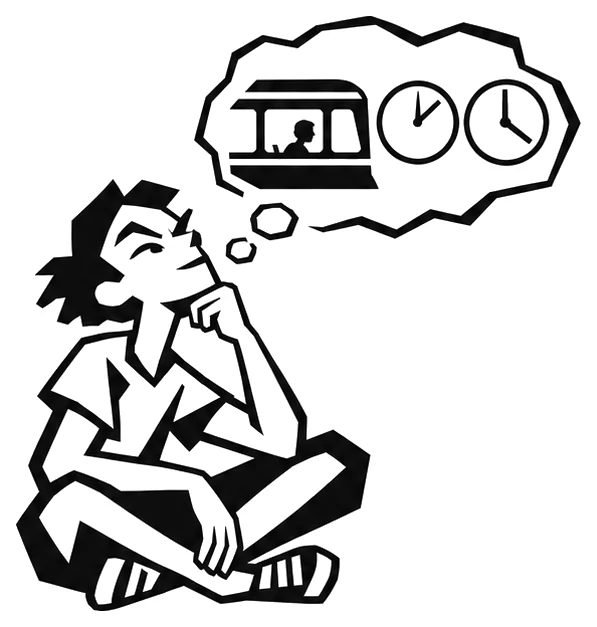
Replaces intimidating formalism with vivid visual thought-experiments first.
- Foundation15 min
Use music or craft resets
Whenyour brain hits screen fatigue

Swaps passive doomscrolling breaks for restorative tactile craft or music.
- Growth60 min
Run an informal study circle
Whenmonthly routine feels insular

Builds an informal low-ego peer circle over simple meals rather than pretentious networking.
- Mastery10 min
Look for what stays invariant
Whencases keep branching endlessly
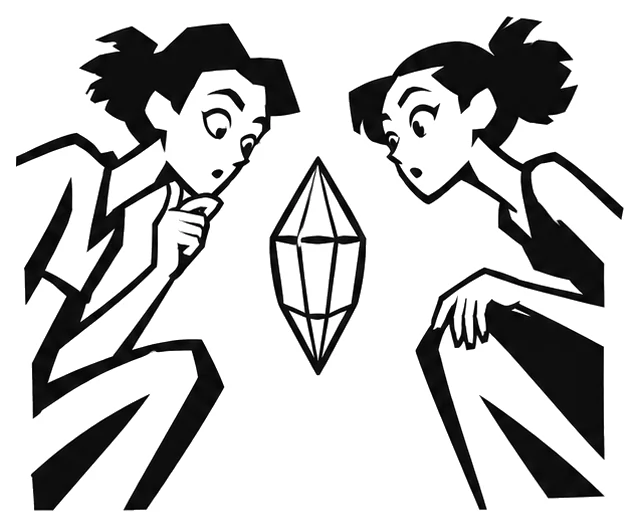
Questioned axioms (like absolute time) by reading outside-discipline philosophy cleanly.
Choose a hand for your situation
Where are you right now?
Keep a small hand active. Pick the route that matches what’s actually in front of you.
When
Staring at a knotty problem leaves you tense and looping cleanly nowhere.
Do this
Picture concrete physical analogies first, walk 25 minutes without headphones, then explain the knot out loud to one peer.
Work towardsFresh angles appear cleanly outside frozen screen loops.
- Take Daily 25-Minute Screen-Free Walks When StalledFoundation25 min
Walk out stubborn knots
Whenstalled on hard thinking

- Build a Visual Thought Experiment Before Touching FormulasFoundation10 min
Picture scenarios before formulas
Whenjargon clouds the problem
- Test Raw Unfinished Ideas Aloud With One Trusted Sounding BoardFoundation20 min
Spar early with one peer
Whenan idea feels half-baked



03 / Inside the deck
Find what supports
your practice.
Browse all 20 cards and read their full instructions. Choose a manageable combination; keep the core work active as you explore support or a Challenge.
Put it to use. A bounded mission with an observable finish, supported by the practices you use.
Refine through feedback. Inspect your work, apply a specific correction in later practice and check whether it helped.
Strengthen the practice. Supporting habits that improve the conditions for useful repetitions: preparation, consistency or necessary recovery.
Do the core work. The load-bearing practices you return to. Build the base and keep it in play.
Use these roles to think about your hand. Read each card’s actual action and choose the contribution you need; a tier label alone doesn’t make it right for your goal.
20 cards · showing 12 · tap a card to flip it
Showing 12 of 20 cards
20 sources citedCard evidence: 2 A · 13 B · 5 C. Grades describe evidence, not deck quality.
Study notes: Albert Einstein ↗04 / From screen to everyday life
Put a good idea
within reach.
Print one card for the place you’ll use it, or make the whole deck. Choose your cards and layout in the print studio.
Open print studioFree · Print at home or save as PDF
- 01
Choose what you need.
The deck is preselected. Keep every card or just the ones you want to try.
- 02
Make it fit your space.
Choose A4 or US Letter, a card size, and fronts only or a layout with backs.
- 03
Put it where it happens.
Print, cut, and place a card where its cue will make sense to you.
Do I need to use a card every day?
Use the frequency and conditions that fit the practice. Return to the same core action when its cue happens. A missed occasion doesn’t erase earlier work; adjust the dose or cue if the same obstacle keeps returning.
When should I add another card?
Add one when it solves a problem in your practice or helps you improve. Keep the core work active. A Challenge gives that practice a bounded mission; it doesn’t require collecting every tier.
What about the sleeve in the picture?
The sleeve is a visual mockup of the collection. The print studio prepares the cards; a sleeve template is not included.
Prefer a professionally printed deck?
This set is a free printable. Explore our separate collection of physical decks →
Something else on your mind?
Find another habit set