Nine hours in a chair, and two flights of stairs still wind you.
Getting fitter isn't one thing. It's four numbers.
his story
Before
Sheet 1
Sheets 2–4
Sheets 5–7
Challenge
That's him up there.
Eight hours at a screen, and two flights of stairs leave him out of breath.
Last spring
He's tried.
Two workout plans. Both good. Both wanted an hour he doesn't have.
Sunday
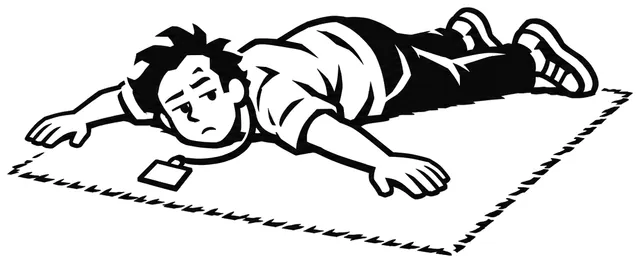
Not one press-up.
He gets down on the floor and can't do a single one. Then it clicks: not a big plan. Small sets, every day.
Monday
So he just does them.
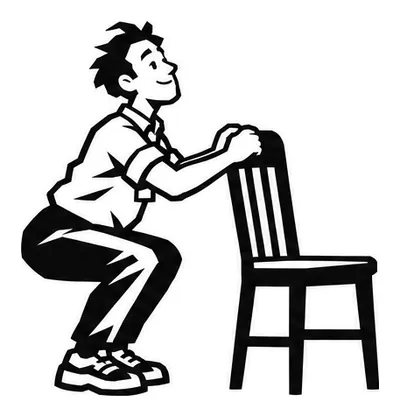
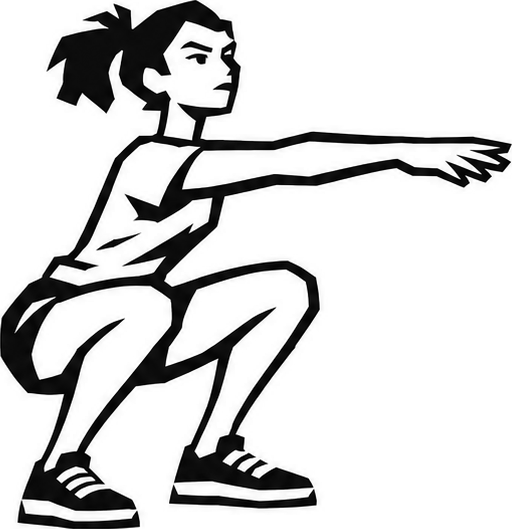
No plan, no app, no sheet. Three sets of ten squats, a hand on the counter. Thirty a workday is 7,800 in a year.
Your 1s
Four numbers. Each starts at 1.
Forget the perfect routine. Around a desk job, getting fitter is four things you can count.
10 reps a set×3 sets a workday
= 7,800 strength reps a year
150 a week × 52 weeks. Arithmetic on your own week, not a promise.
The ways
Every box adds to one number.
Each card is one way to do a 1. Tap one to see how it goes.
Strength reps9 ways
Moving minutes5 ways
Stretch minutes2 ways
Times up from the desk3 ways
Start here
You only need one.
One card. One row. Four weeks. Write what you did in the day's box.
Sheet 1 · weeks 1–4
Your cardSquat
How many a day30reps
In one go103 goes a day
How hardCounter assist
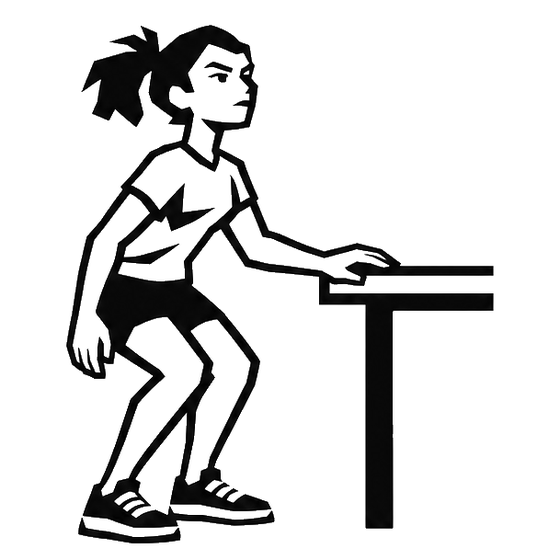
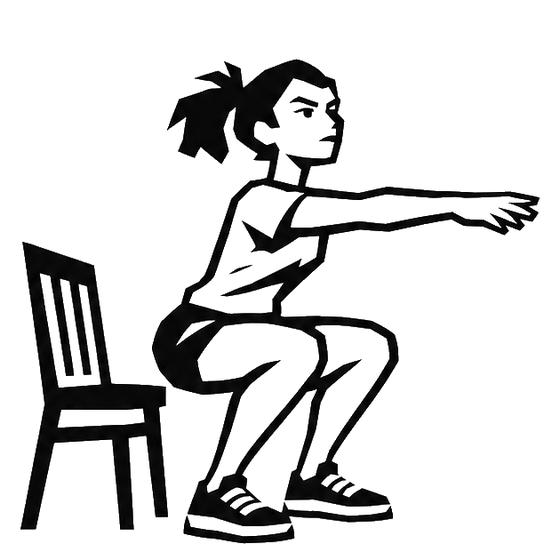
Hold a counter and make each squat smaller, or sit down to the chair and stand back up.
Squat · tap a day
Sqweek150
Write what you did in the day's box: 10 here, 20 there, the day's total when you're done. Blank day? It takes nothing off. The total carries to Sheet 2.
A4 · any pen · no sign-up ·
Keep a stable chair or counter within reach and your knees tracking over your toes. Stop for pain or feeling unwell.
his story
Before
Sheet 1
Sheets 2–4
Sheets 5–7
Challenge
Four weeks on willpower.
Week 1
He prints Sheet 1.
And forces it. A set between emails, one after lunch, the last at ten at night because the box was still empty.
Week 2
He misses a Thursday.
A long day, out the door with nothing left. The box stays blank. Nothing comes off the sheet.
Week 4
The sheet fills up anyway.
Nineteen boxes out of twenty. He scans it. Sheet 2 prints with his number carried over.
My four weeksSheet 1
MTWTFSSweek
SqSquat new////4
every set a decision.
Triggers
One trigger. Many 1s.
A trigger is something your day already does: the kettle goes on, you hit send, the laptop shuts. Hang a 1 on it.
His first trigger
Trigger cardMoment
WhenI put the kettle on
Hooks onto→
SqHabit card
1a set of 10 squats while the kettle boils
Squat · 1 rep
At the desk5 triggers
At home3 triggers
02 · Adding more 1s
More triggers & more habits, higher quantity
Let Sheet 1 hold first. Then hang the same 1 on two or three moments, and add a row for another 1. Tap a day to mark it.
Sheet 1One baseline row holds
SquatI put the kettle on
Sqwk4sheet17
kettle on. 10 squats before it clicked.
Sheets 2–3More triggers + second habit
Squat2 triggers · 2 = two 1s that day
Sqwk8sheet27
Push-upWhen you finish a morning work block
Puwk5sheet18
sent the draft. 10 squats before opening inbox.
Sheets 4–5Full steady sheet · higher totals
Squat3 triggers · 2–3 = multi-go days
Sqwk12sheet43
Push-upHolding steady
Puwk5sheet18
MarchThird habit joins
Mawk5sheet18
hang up. 10 clean reps before closing laptop.
his story
Before
Sheet 1
Sheets 2–4
Sheets 5–7
Challenge
He stops forcing it.
Sheet 2
The kettle does the remembering.
A set every time the kettle goes on. No decision left to make.
Sheet 3
More moments, more sets.
One after a big email goes. One when the last call ends. Three sets a day without thinking about it.
Sheet 4
Room for more.
Push-ups at the counter when the morning's work is sent. A march at the lunch break. Each in its own row.
My four weeksSheets 2–4
MTWTFSSweek
SqSquat/////5
PuPush-up new////4
MaMarch new///3
none of it takes willpower now.
How it compounds
One moment stacks across the week.
Keep one row steady on Sheet 1, then hang 1s on more moments. Every stroke carries to the next sheet.
Sheet 1 · Weeks 1–4
TriggerWhen I put the kettle on
→1a set of 10 squats while the kettle boils
Squat · tap a day to mark it
Sqweek4sheet17
kettle on. 10 squats before it clicked.
/One 1 done (writes a mark)
·Missed day (takes nothing off earlier marks)
→Sheet total carries onto the next page
An estimate on his sheet: 5 a week on Sheet 1, adding up to 5 + 3 + 4 a week across 52 weeks, leaving one in seven blank.
Levels
Same row. Three levels inside every card.
Same Squat row across seven sheets — a hand on the counter first, then free-standing, then slow or loaded.
Strength reps · 3 levels
Squat
His Squat row stays in the same place on every sheet — only the circled level moves up.
LV 1Sheets 1–2 · Most days
Counter assist
1Level 1: hold a counter and keep each squat small.
Squatreps written in
SqM30T30W30T20F30SSweek140
One rep holds more load · Lv 1
+2 sheets laterautomatic whenever kettle clicks.
LV 2Sheets 3–4 · Most days
Bodyweight squat
1Level 2: squat free-standing, a chair behind you, as low as is comfortable.
Squatreps written in
SqM30T30W30T40F30SSweek160
One rep holds more load · Lv 2
+2 sheets laterextra round after last call.
LV 3Sheet 5 · Most days
Slow / loaded
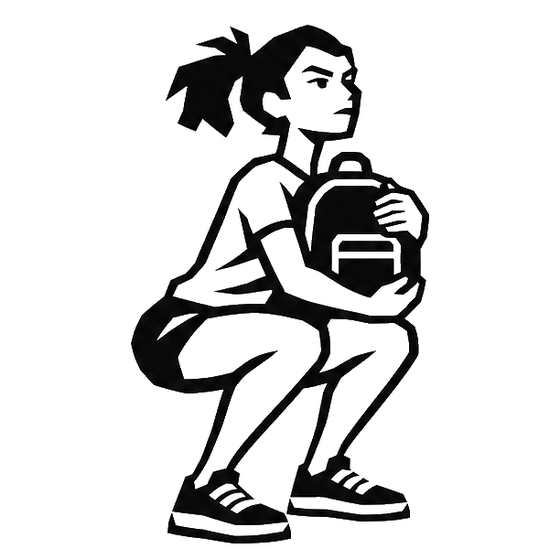
1Level 3: slow the way down, or hold a secure loaded bag at your chest.
Squatreps written in
SqM30T40W30T30F30SSweek160
One rep holds more load · Lv 3
More cards · Level packs
See how the rest of the deck levels up
Every Foundation card steps up inside its own row. Tap any pack to read its levels side by side.
Move up when one feels ordinary. Rough week? Drop back a level — it's still a 1.
his story
Before
Sheet 1
Sheets 2–4
Sheets 5–7
Challenge
Now he's flying.
Sheet 5
Deeper.
Level 1 went ordinary. He circles Level 2: lower, slower, the chair only there in case. Same row, same three sets.
Sheet 6
The work bag joins in.
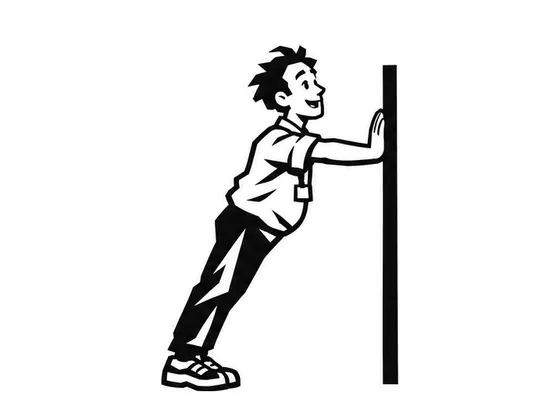
Level 3: the same squat, his bag held at his chest. Push-ups move from the wall to the counter.
Sheet 7
The stairs, on a call.
The two flights that used to wind him. He takes them talking, and he's still talking at the top.
My four weeksSheets 5–7
MTWTFSSweek
SqSquat · Lv 3/////5
PuPush-up · Lv 2/////5
MaMarch////4
a bad week? level 1 still counts.
The offer
Sheet 1 gets you out of the chair. The System keeps the four numbers climbing.
Your first A4 sheet is free with any starter card, trigger, and all three levels printed on paper.
Free · £0
Sheet 1
Yours, now. One habit, four weeks.
Squat · Level 1 Counter assist · When I put the kettle on
At month's end, scan it for your next sheet.
Change the moment above or your level here, and this sheet follows. All 19 Foundation cards across 4 units, every level, and all 6 desk-job Challenges, printable free.
a few months on
The System
Sheet 5, and every one after
Three habits on one sheet. Every number carried, every pile added up.
Slide for the whole sheet →
Sheet 5 carrying multiple units forward on one sheet.
Your next sheet, ready. Scan at month's end, type your totals, print. Last sheet's numbers are on it, and your piles are added up.
More moments, more 1s. Hang a 1 on more of what already happens. Several habits on one sheet, from any set.
Know when to move up. The month check shows you when one has gone ordinary. You choose: the same, smaller, or the next level.
Challenges when you're bored. Pick one and it prints on your next sheet, with its end and its way out.
This is how we grind.
No streak to break. No bad month that wipes the good ones. Every sheet starts where the last one stopped. Small 1s, written down, carried.
Not on sale yet.
One payment. Every set. No subscription.
Challenges
Bored? Good.
A Challenge is a short push with a name, an end and a way out.
his story
Before
Sheet 1
Sheets 2–4
Sheets 5–7
Challenge
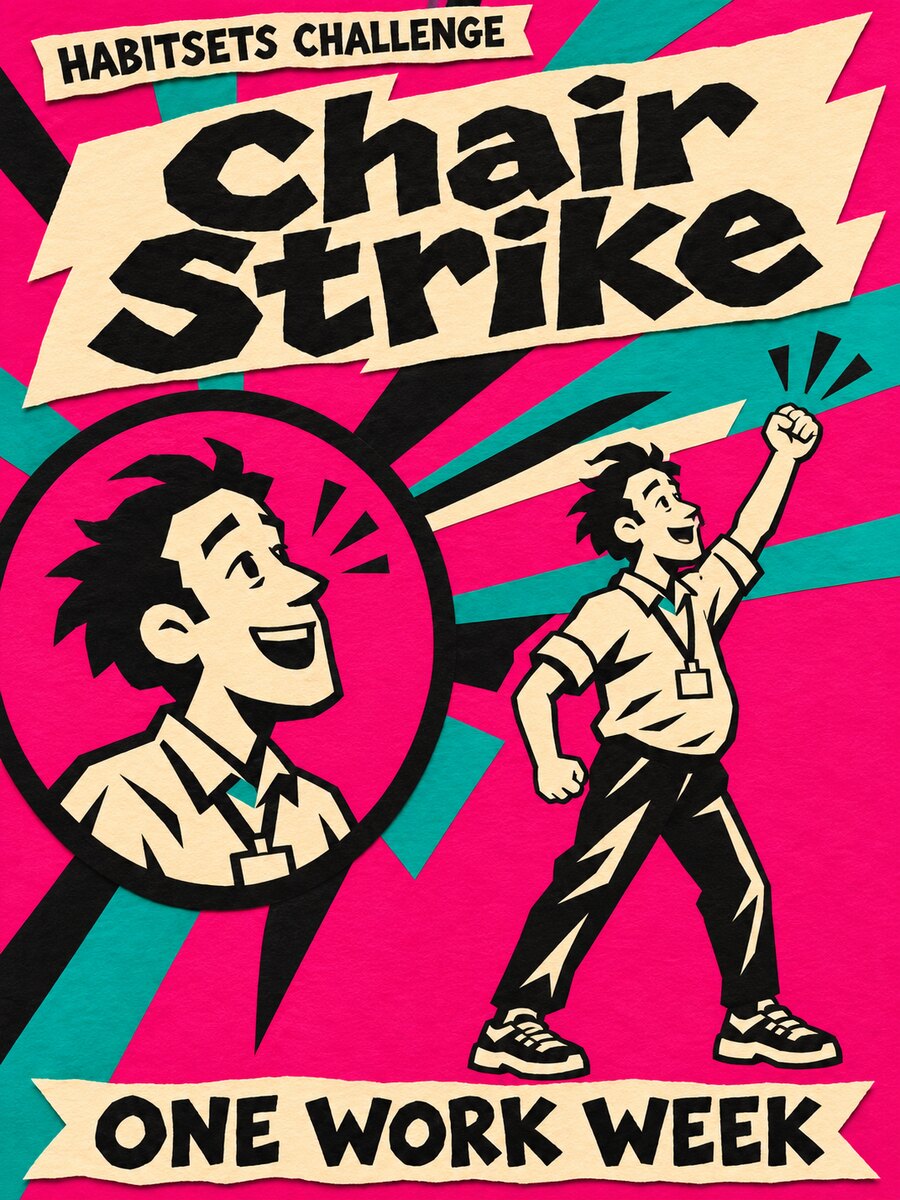
Then he got bored.
His pick
Chair Strike.
One work week. Up at least once an hour, and every call on his feet.
Wednesday
He texts a mate.
“Haven't sat through a call all week. Your move.”
Friday
Done. Back to normal.
Monday he's on his ordinary rows again. He keeps the calls.
My four weeksChallenge
MTWTFSSweek
SqSquat · Lv 3/////5
PuPush-up · Lv 2////4
MaMarch/////5
ChallengeChair Strike
Still just 1s.
Bonus · Extras
Small habits that back up the goal.
Optional side habits with their own count — never on Sheet 1, never added to your 1s. Tap any item to inspect.
Separate yes/no count — never added to reps or minutes. · Never on free Sheet 1.
Start with one row.
Sheet 1 is free: one card, four weeks, any pen. The System, when it's ready, keeps every sheet after it going, with the levels, the Challenges and the Extras.
Stop every strength set with two clean reps in reserve. New chest pain, dizziness or worsening breathlessness: pause and see a doctor first.
Look after yourself
Being out of breath on stairs isn't always unfitness. If it's new, getting worse, has lasted more than a month, or comes with chest tightness, swollen ankles or dizziness, see a doctor before you start.
See a doctor first too if you've a heart or lung condition, take heart, blood pressure or diabetes medicine, have ever fainted or had chest pain on effort, have a joint, bone or back problem that movement or a load makes worse, or have osteoporosis or a hernia. If you're pregnant or have recently given birth, get cleared first.
Stop and call your emergency number for chest pain or pressure, pain spreading to your arm, neck, back or jaw, sudden bad breathlessness, or feeling you might pass out. Don't drive yourself.
Running is never required, and walking fast gets you the whole 10 km. New runners get hurt more than experienced ones, so add time slowly, leave a day between runs, and walk when anything hurts. Pain that lasts or changes how you move needs someone who knows.
Tired muscles for a day or two are common at first. Sharp pain, swelling or numbness aren't. After a big day, severe muscle pain with dark urine needs a doctor the same day.
Stop every set with about two left, breathe all the way through, and never push through pain. Nothing in this set is an all-out try.
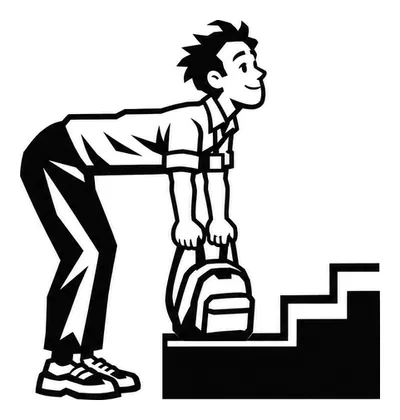
The bag: a big, strong rucksack, packed so nothing shifts. Check the straps every time, lift it by both straps and never the top handle, and put it on from a stair or a worktop. Never carry it down stairs. Back pain means stop. After a night shift or a night up with a baby, leave the bag off.
Going out: pick safe ground, be seen, stay out of the heat of the day, and tell someone where you're going on a long one. After a night shift, a long drive or a night up with a baby, take Level 1 or take the day off.
This set never counts your weight, calories or grams. Its one food habit, Protein at breakfast, is a yes or no, and you can leave it. If exercise or food has started to feel like something you can't stop or owe, talk to a doctor.
My Sheet 11 of 4 rows · open a card above to add one













 Squat