AH-F015–15 minGet Outdoor Morning Sunlight Within 30 Minutes of Waking
Body & energy / Free habit set
The Three-Phase Day
Run Andrew Huberman’s three-phase stack — without supplements
- 8 Foundation
- 6 Growth
- 4 Mastery
- 2 Challenge
20 cards · Free to print or save as PDF · Study notes: Andrew Huberman ↗
01 / A place to start
Choose what you’ll
return to.
You’ve heard pieces of Huberman’s protocols — morning sunlight, 90-minute caffeine delay, ultradian focus, NSDR, physiological sighs, cold/heat timing — and want the nuances and phase timing in one deck.
- Starting point
- Coffee in the dark, scattered tabs, afternoon crashes and bright night lights
- Work towards
- Phase-aligned light, ultradian focus, real-time stress brakes and sleep
Your recurring practice
One outdoor morning light anchor, one protected Phase 1 focus bout, and overhead lights cut 90 minutes before bed. Use physiological sighs or 10-minute NSDR when afternoons dip.
Outdoor sky access (step, balcony, or street), a timer, and one low evening lamp. No cold plunge, sauna, wearables, or paid supplements required.Your cornerstone card
Tap to read the full practice · Choose for your situation
Your starting hand
Keep this practice in play.
One cornerstone carries the load. Everything else on this page exists to make those repetitions easier, better or put to use.
Before you begin
Outdoor sky access (step, balcony, or street), a timer, and one low evening lamp. No cold plunge, sauna, wearables, or paid supplements required.
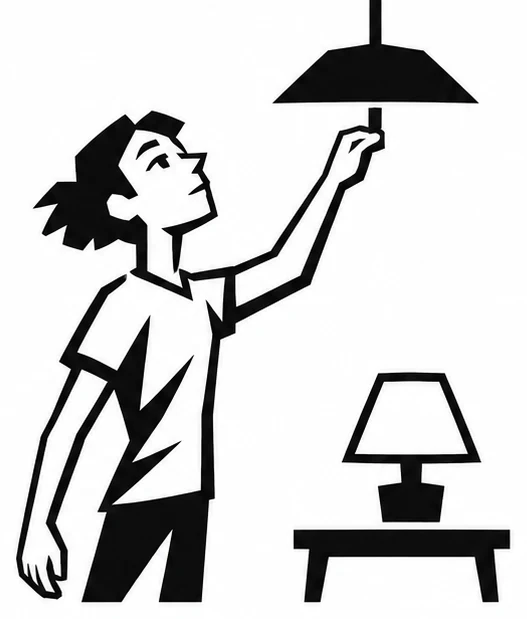
Day one
Your first session
- 01
Within 30 minutes of waking, step outside without sunglasses (regular prescription glasses are fine; never look directly at the sun) for 2–10 minutes on a sunny morning or 15–20 minutes under cloud.
- 02
Pour water first and wait 90–120 minutes before your first coffee so residual adenosine can clear.
- 03
Start one timed ultradian focus block in Phase 1 (0–8h post-waking), expecting ~10 minutes of restless limbic friction at the start before focus settles.
- 04
Ninety minutes before bed, switch off bright overhead ceiling lights and run on low lamps below eye level.
After that
The loop you return to.
No streak to protect. Do the usual practice when its moment comes, keep it alive on a hard day, and let each one improve the next.
- Your usual practice
One outdoor morning light anchor, one protected Phase 1 focus bout, and overhead lights cut 90 minutes before bed. Use physiological sighs or 10-minute NSDR when afternoons dip.
- On a difficult day
Two minutes on the doorstep in morning light, a 20-minute single-tab focus block, and kitchen/desk overheads off after dinner. Return to the normal stack at the next cue without catch-up.
- Make the next one better
After seven days, inspect where afternoon crashes or 2–3 AM waking still appear using AH-M01 through AH-M03, adjust one phase variable (lux dose, caffeine cutoff, or room temperature), and retest.
See what adds up
Small reps, counted honestly.
Log wake time, morning outdoor minutes, caffeine delay, focus blocks completed, and lights-dimmed evenings. Track completed actions rather than wearable sleep scores.
- Phase 1 Alertness & Focus Stack
- Real-Time Stress & Afternoon Recovery
- Phase 3 Evening Wind-Down & Tmin Alignment
Growth and feedback
Add support when it helps.
Not a checklist. Add one when you can name the problem it solves in your practice.
- Foundation90 min wait
Delay morning caffeine 90 minutes
Whenyou reach for morning coffee
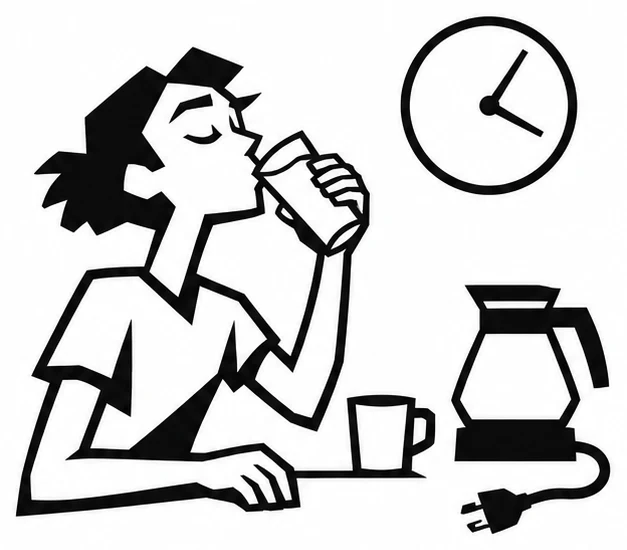
Delays morning caffeine 90–120 minutes so adenosine clears naturally rather than rebounding mid-afternoon.
- Foundation15–30 sec
Take two physiological sighs
Whenstress spikes in real time
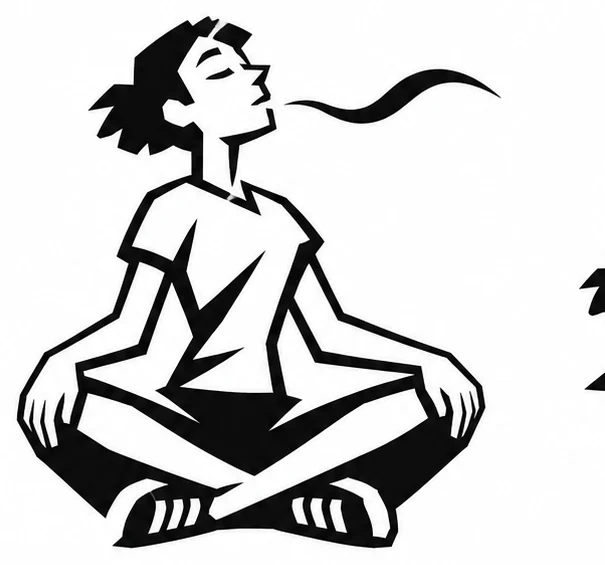
Provides a 15-second double-inhale physiological sigh whenever acute stress spikes mid-work.
- Foundation10–20 min
Use 10–20 minutes of NSDR
Whenenergy dips after lunch
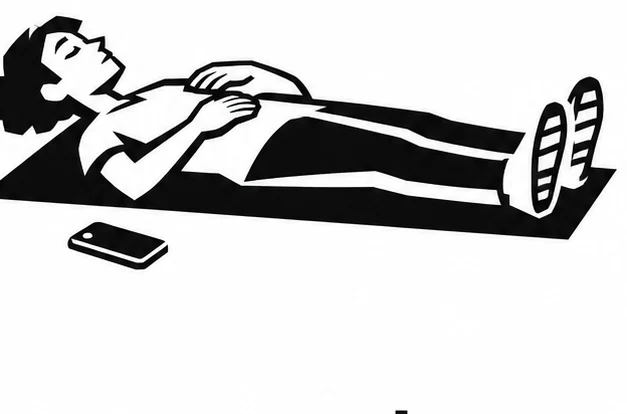
Uses 10–20 minutes of NSDR post-lunch instead of extra caffeine or long naps that cut nighttime sleep drive.
- Growth3 min
Sort tasks into three phases
Whenyou plan tomorrow’s blocks

Groups demanding work into Phase 1 (0–8h) and lower-friction habits into Phase 2 (9–15h) via task bracketing.
- Growth30 sec
Find your temperature minimum
Whenyou record your wake time
Locates your temperature minimum (~2h before average wake) so light and exercise shift your clock in the intended direction.
- Growth1–3 min
Time cold early, away from lifts
Whenyou finish a morning shower
Places deliberate cold early for alertness and away from post-lift hypertrophy windows and bedtime.
- Mastery10 min
Audit friction and energy dips
WhenSunday evening review

Audits 7 days of limbic friction and afternoon dips before adding more protocols.
Choose a hand for your situation
Where are you right now?
Keep a small hand active. Pick the route that matches what’s actually in front of you.
When
Mornings feel groggy and afternoon crashes keep pulling you back to espresso.
Do this
Anchor wake with outdoor sky within 30 minutes, wait 90–120 minutes for coffee, and ride out the first 10 minutes of limbic friction inside one 90-minute block.
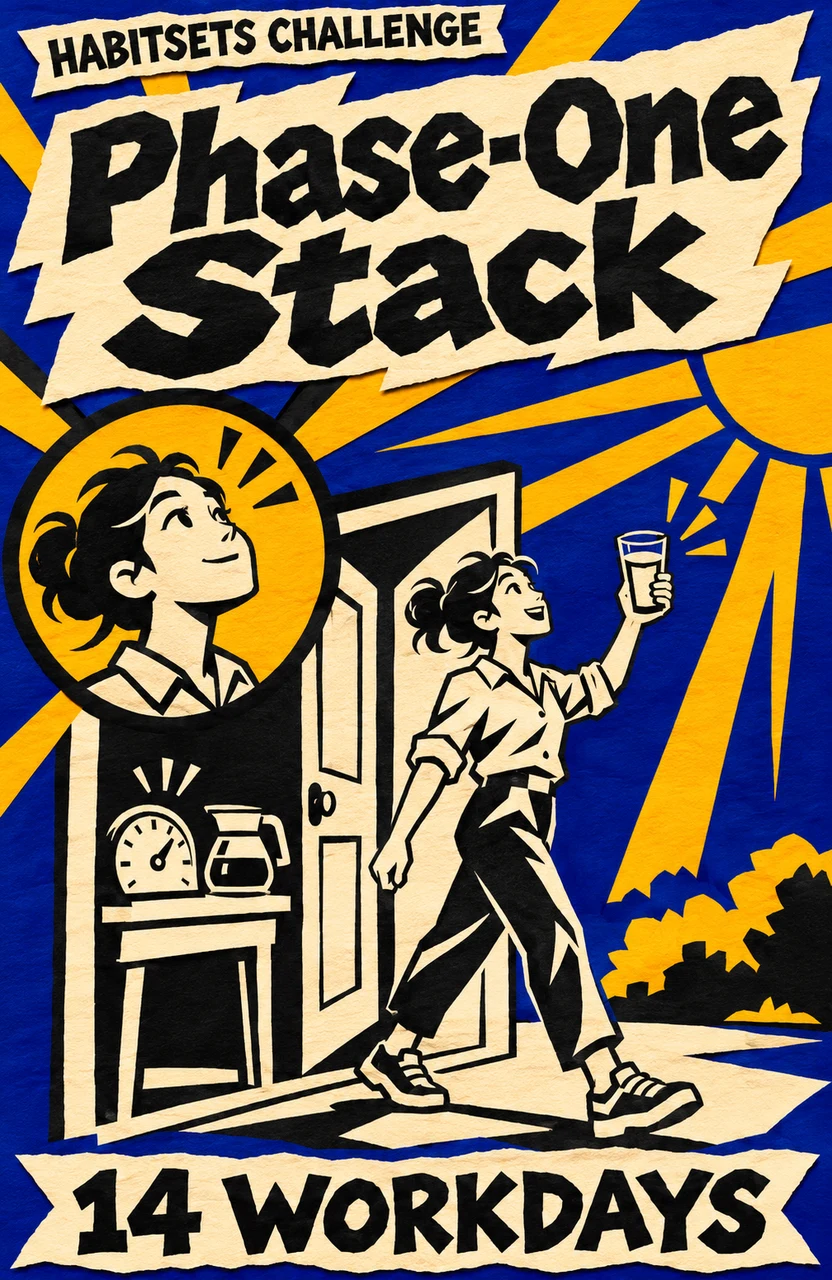
Work towardsConsistent morning wake-to-work transition across 14 workdays.
- Get Outdoor Morning Sunlight Within 30 Minutes of WakingFoundation5–15 min
Get outdoor morning sky early
Whenyou step out after waking
- Hydrate First and Delay Morning Caffeine 90–120 MinutesFoundation90 min wait
Delay morning caffeine 90 minutes
Whenyou reach for morning coffee
- Run One 90-Minute Ultradian Focus Block in Phase 1Foundation90 min
Run one 90-minute ultradian block
Whenyou start Phase 1 work
1 / 3
03 / Inside the deck
Find what supports
your practice.
Browse all 20 cards and read their full instructions. Choose a manageable combination; keep the core work active as you explore support or a Challenge.
Put it to use. A bounded mission with an observable finish, supported by the practices you use.
Refine through feedback. Inspect your work, apply a specific correction in later practice and check whether it helped.
Strengthen the practice. Supporting habits that improve the conditions for useful repetitions: preparation, consistency or necessary recovery.
Do the core work. The load-bearing practices you return to. Build the base and keep it in play.
Use these roles to think about your hand. Read each card’s actual action and choose the contribution you need; a tier label alone doesn’t make it right for your goal.
20 cards · showing 12 · tap a card to flip it
AH-F015–15 minGet Outdoor Morning Sunlight Within 30 Minutes of Waking
AH-F0290 min waitHydrate First and Delay Morning Caffeine 90–120 Minutes
AH-F0430–60 secHold Single-Point Visual Focus to Lock In Attention
AH-F0515–30 secUse Two Physiological Sighs to Downshift Acute Stress
AH-F075–15 minCatch Low-Solar-Angle Sunset Light Outdoors
AH-G033–5 minSwitch to Panoramic Optic Flow Between Focus Blocks
Showing 12 of 20 cards
11 sources citedCard evidence: 4 A · 9 B · 7 C. Grades describe evidence, not deck quality.
Study notes: Andrew Huberman ↗04 / From screen to everyday life
Put a good idea
within reach.
Print one card for the place you’ll use it, or make the whole deck. Choose your cards and layout in the print studio.
Open print studioFree · Print at home or save as PDF
- 01
Choose what you need.
The deck is preselected. Keep every card or just the ones you want to try.
- 02
Make it fit your space.
Choose A4 or US Letter, a card size, and fronts only or a layout with backs.
- 03
Put it where it happens.
Print, cut, and place a card where its cue will make sense to you.
Do I need to use a card every day?
Use the frequency and conditions that fit the practice. Return to the same core action when its cue happens. A missed occasion doesn’t erase earlier work; adjust the dose or cue if the same obstacle keeps returning.
When should I add another card?
Add one when it solves a problem in your practice or helps you improve. Keep the core work active. A Challenge gives that practice a bounded mission; it doesn’t require collecting every tier.
What about the sleeve in the picture?
The sleeve is a visual mockup of the collection. The print studio prepares the cards; a sleeve template is not included.
Prefer a professionally printed deck?
This set is a free printable. Explore our separate collection of physical decks →
Something else on your mind?
Find another habit set